
Government is in the final stages of developing a transformative strategic development plan for the Busoga sub-region, with a focus on science, productivity, and long-term socio-economic recovery.
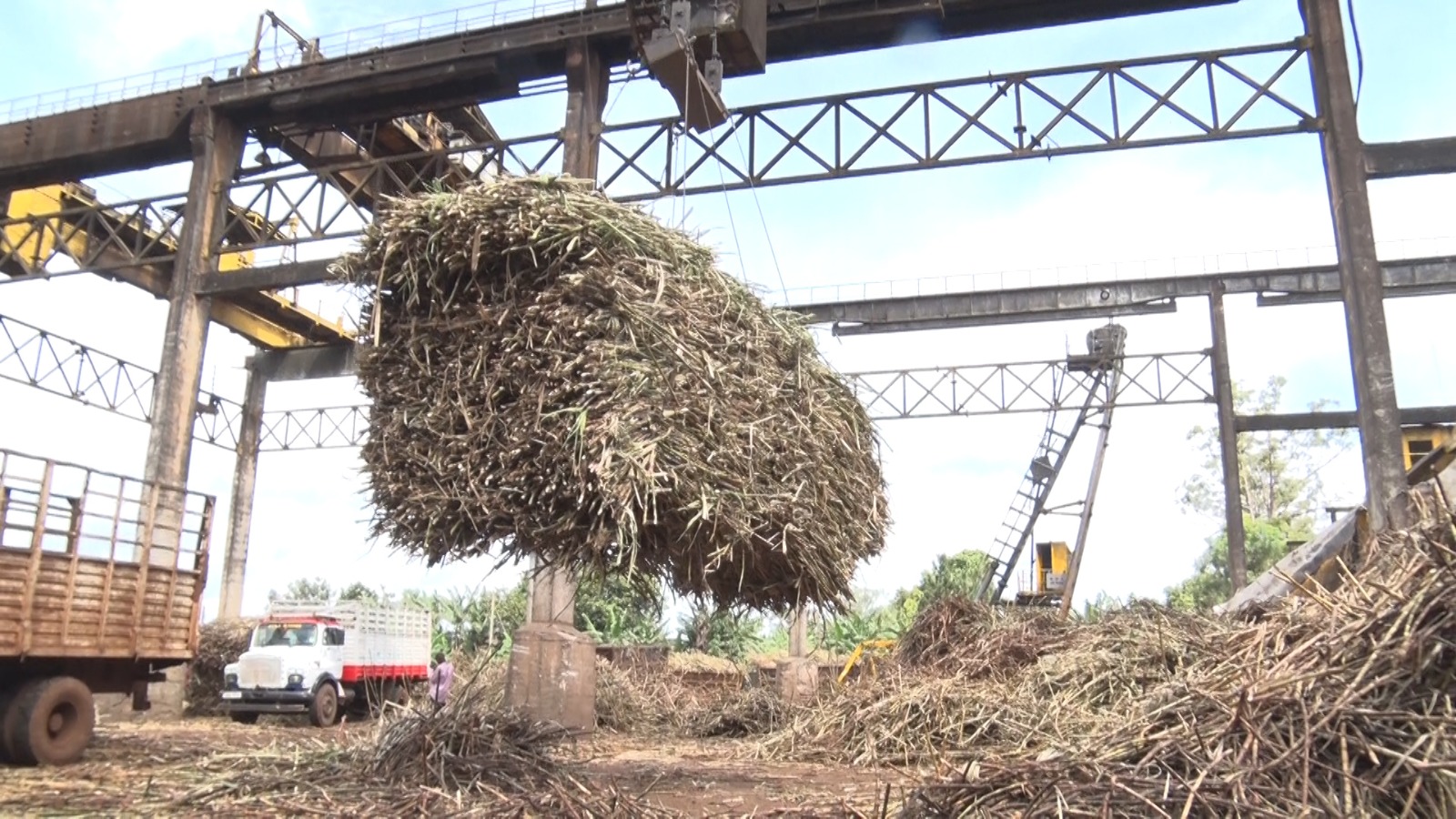
The proposed Busoga Master Plan, which is currently undergoing extensive consultations, is being spearheaded by the Ministry of Science, Technology and Innovation. The plan seeks to reposition the region’s agricultural sector by promoting cocoa, palm oil, and coffee as key cash crops, gradually reducing dependence on sugarcane, which has dominated the region’s economy for decades.
The consultations are targeting political leaders, civil servants, religious and cultural leaders, youths, and other stakeholders to ensure the plan reflects the aspirations and priorities of the people of Busoga.
For years, sugarcane has been the backbone of Busoga’s agricultural economy, particularly following the decline of traditional cash crops such as cotton and coffee, which were introduced during the colonial period. However, despite its widespread cultivation, sugarcane has increasingly been blamed for contributing to economic challenges in the region.
Recent multidimensional poverty reports by the Uganda Bureau of Statistics rank Busoga 10th among Uganda’s 13 sub-regions, a decline for an area that was once considered one of the country’s most prosperous regions. The situation has raised concerns among policymakers, technocrats, and local leaders.
Emmanuel Mutanda, Assistant Chief Administrative Officer of Bugiri District, said the region needs to critically examine its economic direction.
“Busoga was once among the richest regions in Uganda, but today it ranks among the poorest. We must go back to the drawing board and understand what went wrong,” Mutanda said.
Local government leaders argue that overreliance on sugarcane has left farmers vulnerable because prices are largely determined by millers, limiting farmers’ bargaining power.
Abdu Batambuze, the Chief Administrative Officer of Mayuge District, said the proposed transition to alternative cash crops is timely but warned that success will depend on changing farmers’ attitudes and embracing new opportunities.
“Many farmers are still inclined towards sugarcane farming, yet it is no longer as productive or profitable as it once was. We need to redirect our people towards crops that are competitive on the international market,” Batambuze said.
The proposed focus crops—cocoa, palm oil, and coffee—are considered high-value commodities with strong global demand and could provide farmers with better income opportunities if supported through proper planning, investment, and market access.
Beyond agriculture, the Master Plan aims to address broader challenges contributing to poverty in Busoga, including high school dropout rates, teenage pregnancies, and governance concerns.
Saubah Kataba, a Planner in Iganga District, identified governance challenges as one of the barriers affecting development efforts.
“As planners, we have developed numerous reports and recommendations. However, divisions among political leaders have undermined the implementation of these technical proposals,” she said.
To promote inclusiveness and ownership, the Ministry of Science, Technology and Innovation has launched consultations across the sub-region, engaging political, religious, cultural, and opinion leaders at district and sub-county levels.
Dr Joshua Isiko, Head of the Productivity Acceleration Bureau in the Office of the President, said the consultations are expected to conclude in August before the final document is presented to President Yoweri Museveni in September ahead of its official launch.
“We are traversing the entire sub-region to gather views from all stakeholders to ensure that the Master Plan reflects the needs and aspirations of the people of Busoga,” Dr Isiko said.
A key innovation under the plan is the introduction of a digital tool known as the Ekibalo app, developed by the Ministry to help farmers make data-driven decisions by estimating potential yields, production costs, and profitability of different crops.
Dr Eric Mwima, a Programme Officer at the Productivity Acceleration Bureau, said many farmers have been making investment decisions without adequate information on profitability.
“Some farmers have been investing in crops without realizing they are making losses, while others are profitable but lack clarity on their performance. The Ekibalo app will empower them with the knowledge needed to make better enterprise choices,” he said.
Officials are optimistic that the science-driven approach under the Busoga Master Plan will increase agricultural productivity, improve household incomes, and reposition the region as a competitive economic hub.
As consultations continue, stakeholders hope the final plan will provide a sustainable pathway out of poverty and help restore Busoga’s position as one of Uganda’s leading economic regions.
